
The Gambler’s Fallacy
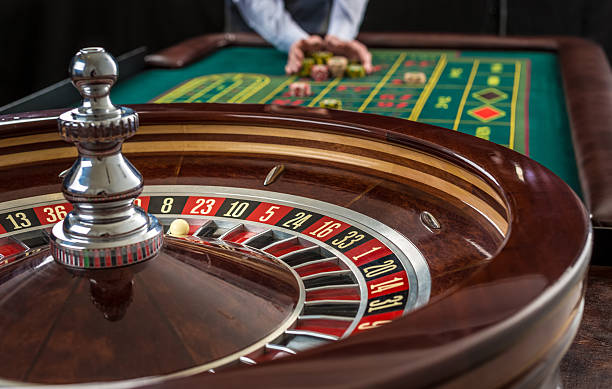
One of the most widespread myths in the world of gambling is known as the gambler’s fallacy, which suggests that past outcomes can influence future events in games of chance. For instance, many players operate under the belief that if a specific number in roulette hasn’t appeared for several spins, it is “due” to hit soon. This line of thinking can lead players to make irrational betting decisions based on their misinterpretation of randomness, especially when they explore options at no verification casinos that may promise easier wins. In reality, each spin of the roulette wheel is an independent event; previous results do not affect future spins, and the odds remain unchanged regardless of what has happened before.
This misconception extends beyond roulette, affecting players of various games, including slots and card games. For example, a player might think a particular slot machine is “hot” after a series of payouts or “cold” after a long drought of wins. Such beliefs can cause players to chase losses or make larger bets based on an illusion of predictability. Understanding that each event is random is crucial for a more grounded approach to gambling, as it helps manage expectations and prevents emotional decision-making.
Ultimately, the gambler’s fallacy can lead to misguided strategies and increased risks. Players who want to enhance their experience should focus on game odds and probabilities rather than letting previous outcomes dictate their betting patterns. By adopting a more analytical viewpoint and recognizing the nature of chance, gamblers can develop a more sustainable approach to their gaming endeavors, minimizing potential losses and maximizing enjoyment.
Slots Pay Out More During Busy Hours
Another common myth is the belief that casinos adjust the payout percentages of slot machines during peak hours to attract more players. This notion suggests that playing during busy times increases the chances of hitting a jackpot. However, this belief is fundamentally flawed, as the payout percentages for slot machines are determined by preset algorithms that remain constant regardless of the time of day. Casinos cannot arbitrarily change these settings based on player traffic.
In reality, regulations govern how often slot machines must pay out, and these figures are set when the machines are installed. The idea that a casino would manipulate payouts to take advantage of busy periods undermines the credibility of the gaming industry and could have serious legal ramifications. For players, this myth can lead to unnecessary disappointment and higher losses when they are convinced they are likely to win just because the machines are in a crowded room.
For a more rewarding experience at slot machines, players should concentrate on understanding the various games available, researching their payout percentages, and identifying which machines align with their personal preferences and strategies. Ultimately, this approach encourages a more informed and enjoyable gaming experience, where players can make calculated choices instead of relying on myths about payouts linked to busyness.
Card Counting is a Guaranteed Way to Win
Card counting is often glamorized in films and popular culture as a foolproof method for beating casinos, particularly in blackjack. Many believe that with a little practice, anyone can master this technique and consistently win. The reality, however, is far more complex. Card counting requires immense focus, patience, and discipline, and very few players can effectively utilize this strategy to gain a significant advantage over the house.
Furthermore, casinos are keenly aware of card counting techniques and have implemented various countermeasures. These include using multiple decks in games, frequent shuffling, and employing surveillance to identify and monitor potential counters. Players who attempt to count cards may find themselves facing consequences such as being asked to leave or even banned from the casino altogether. Thus, while card counting can provide an edge, it is fraught with challenges that many players are unprepared to navigate.
Rather than solely relying on card counting, players should focus on mastering basic blackjack strategies to improve their odds without the risks associated with counting. By learning strategies that involve understanding the rules and probabilities of the game, players can enhance their gameplay experience while making informed decisions. This balanced approach allows for a more enjoyable and less stressful gambling experience, as it minimizes the pressure associated with the complexities of card counting.
All Casino Games are Rigged Against Players
A prevalent myth among gamblers is the belief that all casino games are rigged to ensure players lose. While it is true that casinos are designed to maintain a profit margin, this oversimplification ignores the nuances of how games operate. Casino games are engineered with a house edge, which is a mathematical advantage that allows the casino to remain profitable over time. However, this does not mean players cannot win; it simply indicates that the odds are structured to favor the house in the long run.

It’s essential for players to understand that the house edge varies across different games. For example, poker allows for skillful play, where a knowledgeable player can leverage their understanding of the game to influence outcomes. This means that players have the potential to compete against each other rather than just against the house. By recognizing the skill involved in different games, players can adopt strategies that enhance their chances of winning, rather than attributing their losses solely to a rigged system.
Additionally, reputable casinos operate under the scrutiny of regulatory bodies that enforce fair play and protect players. These organizations ensure that games are conducted fairly, and any fraudulent practices are swiftly dealt with. Therefore, while the house edge is a reality, it does not equate to games being rigged. By understanding the mechanics of various games and employing strategic methods, players can enjoy a fair gaming experience that offers genuine opportunities for success.
The Perception of Online Gambling Safety
As online gambling has surged in popularity, misconceptions surrounding its safety and regulation have emerged. Some players mistakenly believe that online casinos operate without any oversight, rendering them unsafe and unreliable. In truth, many reputable online gambling platforms are subject to stringent regulations enforced by governmental authorities, ensuring that they adhere to rigorous standards for fairness and security.
These regulations require online casinos to undergo regular audits and maintain transparency in their operations, protecting players’ financial transactions and ensuring that games are fair and outcomes are genuinely random. Players should conduct thorough research to identify licensed online casinos that prioritize safety and security, rather than succumbing to myths that deter them from engaging in online gaming.
As the online gambling landscape continues to evolve, advancements in technology have further enhanced player safety. Many online platforms employ state-of-the-art encryption protocols to protect personal information and secure financial transactions. By choosing reputable online casinos, players can enjoy the convenience of gambling from home while remaining safeguarded against potential risks. It is crucial to base decisions on verified information rather than unfounded myths to ensure a positive and secure gaming experience.